



Tracking Temperature and Concentration in a CIP Cycle
- Blog
- Tracking Temperature and Concentration in a CIP Cycle
Tracking Temperature and Concentration in a CIP Cycle
Table of Contents
- The Role of Temperature and Concentration in a CIP Cycle
- The Three Components of Cleaning Effectiveness
- Choosing Temperature Measurement Points
- Methods for Measuring Concentration
- Recording Actual Values Throughout the Cycle
- Temperature Drop and the Return Line Effect
- Causes of Concentration Deviation
- Corrective Steps for Control Deviations
- Reviewing the Cycle Records
- Conclusion
The success of a CIP cycle depends on the cleaning chemical reaching the line at the right temperature and the right concentration. If either value is not held, the cleaning may fail to deliver the expected result even when the cycle runs for the full time. Monitoring should therefore cover every stage of the cycle.
The Role of Temperature and Concentration in a CIP Cycle
Temperature affects the rate of the chemical reaction and the ability of the soil to dissolve. Concentration determines the strength of the cleaning chemical in dissolving or removing soil. Because the two work together, judging one in isolation can be misleading.
The cycle design should keep both values within the target range. The target range should be set according to the soil type and the material of the equipment.
The Three Components of Cleaning Effectiveness
Cleaning effectiveness is usually described by chemical, mechanical and time components. The chemical component is the concentration and type of chemical. The mechanical component is the physical action provided by flow rate and turbulence. Time is the duration of the cycle. The three complement each other.
Temperature is a shared variable that affects both the activity of the chemical and the mechanical action. Temperature monitoring therefore plays a central role in cycle planning.
Choosing Temperature Measurement Points
Temperature should be measured at the point that best represents the most remote and coolest location of the cycle. Usually measurement is made on the return line or on the furthest branch. A reading taken close to the main tank may not reflect the true temperature in the line.
The reference of each measurement point should be clearly defined on the cycle diagram. Using the same point for every measurement makes comparison over time possible.
Methods for Measuring Concentration
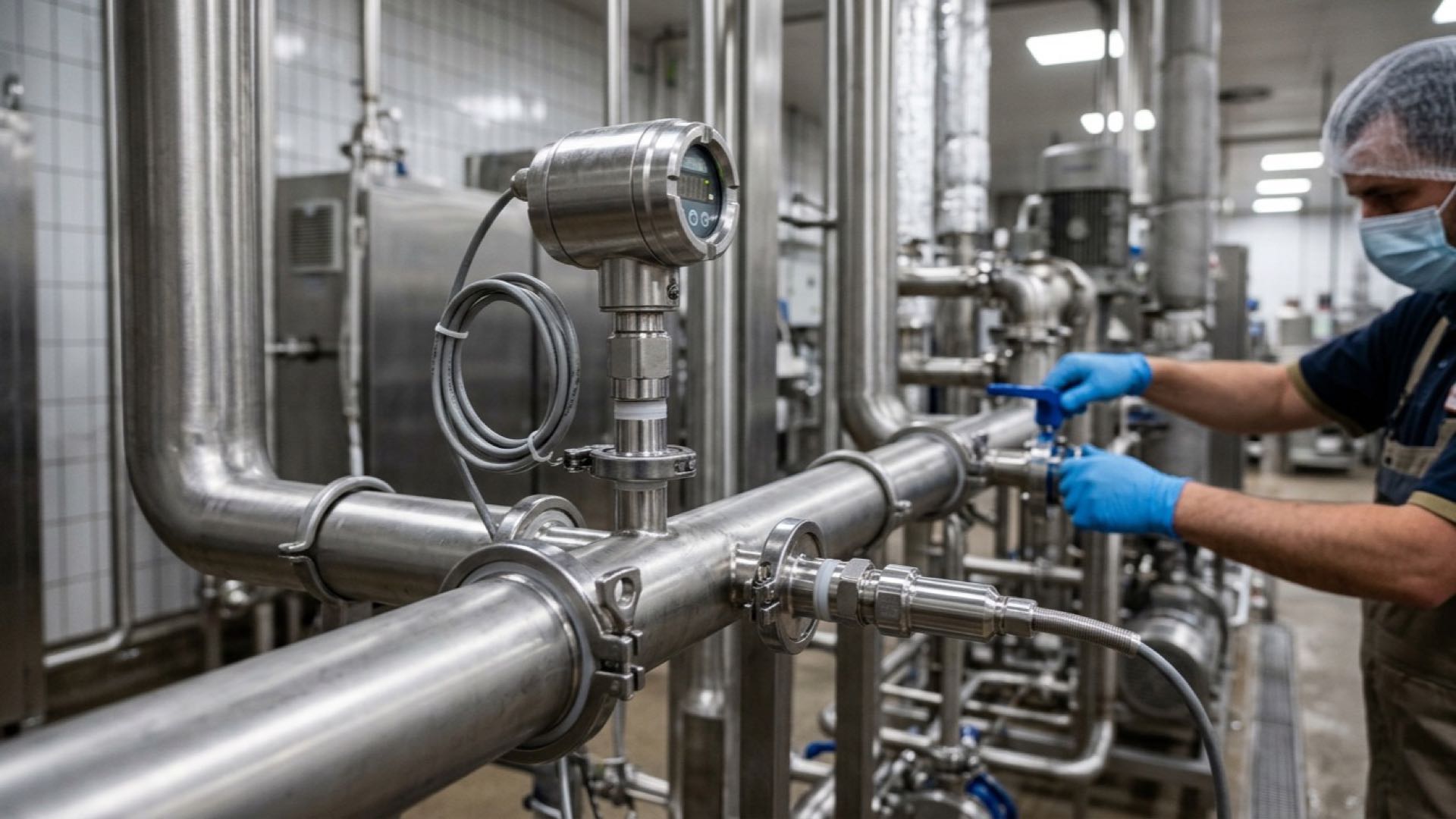
Concentration can be tracked by methods such as conductivity measurement, titration or chemical analysis. Conductivity measurement is practical for quick and continuous monitoring, but it requires separate calibration for each chemical. Titration gives a more direct result but takes longer.
The choice of method should match how critical the cycle is and the record requirements. The chosen method should be verified and calibrated regularly.
Recording Actual Values Throughout the Cycle
Temperature and concentration should be recorded from the start to the end of the cycle. Recording only the starting value hides the drops during the cycle. Readings taken continuously or at set intervals show the real behaviour of the cycle.
The record should be kept with the cycle steps, so that the values of each stage can be seen separately: pre-rinse, chemical stage and final rinse.
Temperature Drop and the Return Line Effect
During the cycle, the solution loses heat in the lines and tanks. Long lines and open surfaces increase this loss. If the temperature measured on the return line has fallen below target, the effectiveness of the cycle may have dropped.
Insulation, heater capacity and flow rate are the main factors that influence this drop. The cause should be identified before the cycle time is extended.
Causes of Concentration Deviation
A concentration deviation may come from a dosing system fault, an incorrect tank level setting or dilution of the solution. Reusing dirty solution can also lower the effective concentration of the chemical.
When the cause is found, the corrective action should be recorded. Recurring deviations should be added to the maintenance plan for the dosing equipment.
Corrective Steps for Control Deviations
When temperature or concentration moves outside the target range, the cycle should be stopped or a corrective step applied. A cycle should not be accepted as complete until the correction has been made.
The corrective step should be defined in the procedure and carried out by the responsible person. The step taken and its result should be recorded.
Reviewing the Cycle Records
Cycle records should be reviewed to show at which stage a deviation occurred and how it affected the cleaning result. A weekly or monthly review helps reveal systematic problems.
The cleaning result should be confirmed by visual inspection or a suitable test. When the record and the result are considered together, it becomes clear how appropriate the cycle parameters are.
Conclusion
Monitoring temperature and concentration in a CIP cycle is achieved through the right measurement points, a suitable measurement method, recording throughout the cycle, tracking the drop in the return line and quick response to deviations. This monitoring makes cleaning consistent and verifiable.
SS Proje supports the design, manufacture and monitoring equipment of CIP systems. Target temperature and concentration ranges should be set for each application through soil analysis and the judgement of a qualified engineer.