



Temperature-Driven Pressure Changes in Long Pipe Runs
- Blog
- Temperature-Driven Pressure Changes in Long Pipe Runs
Temperature-Driven Pressure Changes in Long Pipe Runs
Table of Contents
- How Temperature Affects Pressure
- Volume and Pressure Relationship in Closed Lines
- Temperature Gradients in Long Lines
- Behaviour by Fluid Type
- Line Expansion and Anchor Points
- Relief Valves and Pressure Relief
- Freezing and Vaporisation Risks
- Measurement and Monitoring Approach
- Design Checklist
- Conclusion
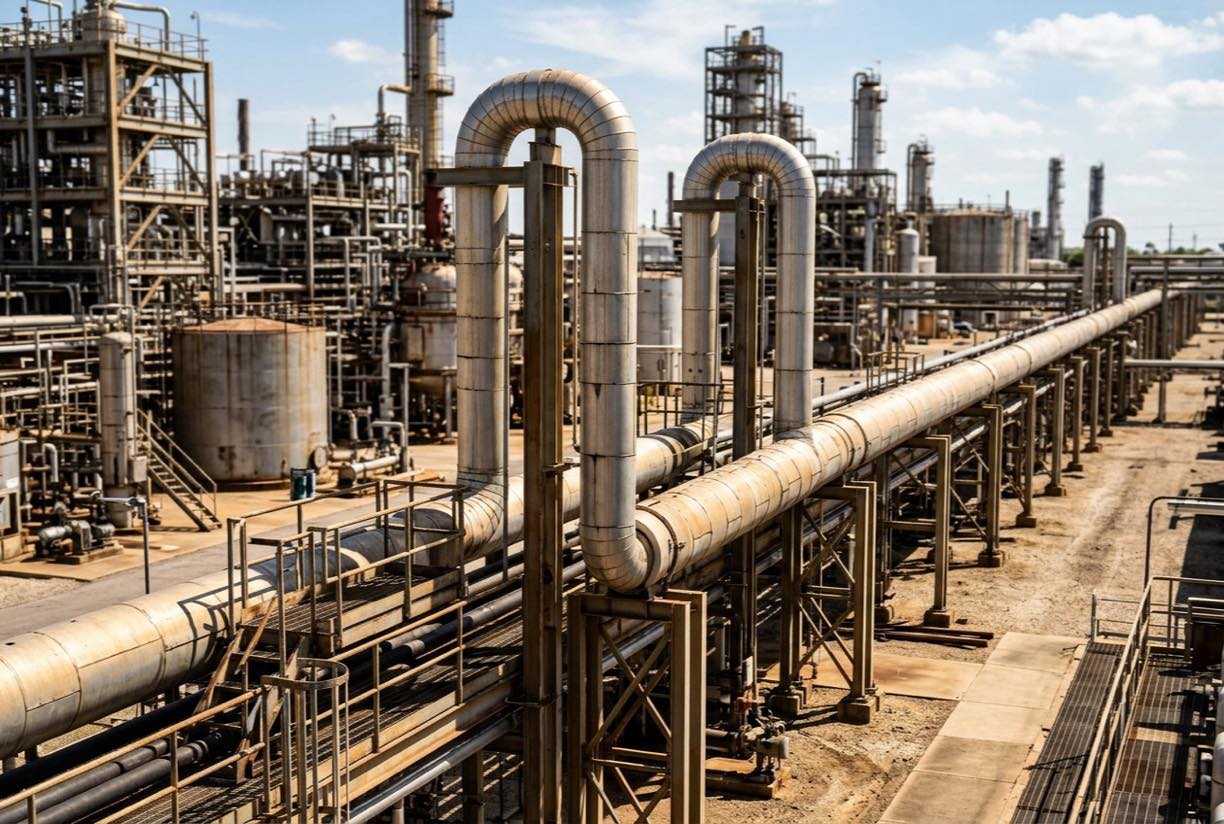
In a long pipe run, a change in temperature changes not only the heat of the fluid but also the pressure inside the line. In a closed line, pressure can rise as the temperature climbs and fall as it cools. A design that ignores this effect may face unexpected pressure changes in operation.
How Temperature Affects Pressure
When a fluid warms, it tends to expand. If the line is closed and there is no volume to accommodate that expansion, the tendency turns into a rise in pressure. Liquids resist expansion only slightly, so even small temperature changes can produce significant pressure changes.
Gases expand or compress more noticeably with temperature. The temperature effect in gas lines should therefore be assessed differently from liquid lines.
Volume and Pressure Relationship in Closed Lines
If the volume of fluid trapped in a line is fixed, a change in temperature leads directly to a change in pressure. The risk is especially high when valves are closed and a section is isolated. Which sections of the line may remain isolated should be identified at the design stage.
The size of the pressure change depends on the fluid properties, the volume and the temperature difference. These values should be determined by design calculation.
Temperature Gradients in Long Lines
In a long line the temperature may not be the same at every point. A section exposed to the sun, a section in open air and a section buried underground can all be at different temperatures. This gradient can produce different pressure changes along the line.
Insulation and layout can be used to reduce the temperature gradient. Where possible, the route should avoid long sections fully exposed to direct sunlight.
Behaviour by Fluid Type
Different fluids such as water, oil, solutions and gases respond differently to temperature change. Each fluid has its own expansion coefficient and vapour pressure behaviour. A single rule therefore does not apply to every line.
The vapour pressure of a fluid can create a separate risk at low and at high temperatures. The temperature range should be assessed together with the fluid properties.
Line Expansion and Anchor Points
The pipe material also expands and contracts with temperature. Anchor points and expansion loops should be placed to accommodate this movement. If anchor points are wrongly positioned, expansion forces can damage equipment and connections.
The expansion calculation should use the pipe material, the line length and the temperature range. No fixed expansion value is given in this article.
Relief Valves and Pressure Relief
A suitable relief valve or relief arrangement should be fitted against a pressure rise caused by temperature. The set value of this arrangement should be defined according to the design pressure of the line. The destination of the relieved fluid should also be planned.
The relief arrangement should be checked and tested regularly. A blocked or damaged relief valve cannot perform its protective function.
Freezing and Vaporisation Risks
In cold climates, freezing in lines containing water can cause both a pressure rise and damage to the pipe. At low temperatures some fluids can also crystallise and block the line.
Hot fluids carry a risk of vaporisation and boiling. A drop in pressure can cause the fluid to vaporise, which can form voids in the line.
Measurement and Monitoring Approach
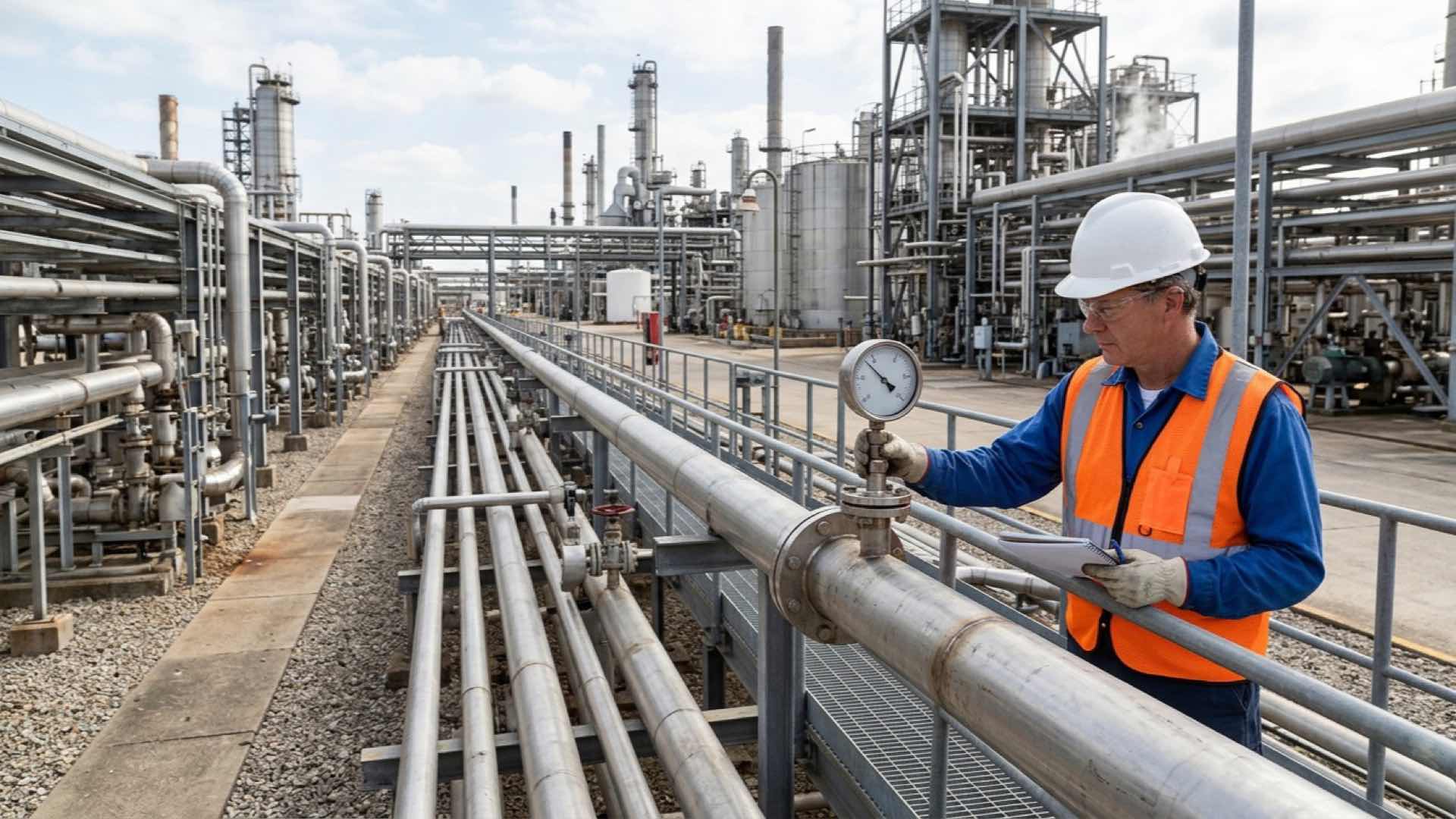
The pressure and temperature of the line should be measured regularly and recorded. When the relationship between pressure and temperature is tracked over time, the cause of unexpected changes is easier to understand.
Measurement points should be chosen so that they represent the temperature gradient and the sections that may remain isolated. Pressure sensors should be calibrated at regular intervals.
Design Checklist
In the design, the sections that could remain isolated, the temperature range, the expansion calculation, the placement of anchor points, the choice of relief arrangement and the position of monitoring points should all be checked. This list can serve as a common checking tool for the design team.
The list should be shared with the operating team and updated as operating conditions change.
Conclusion
Temperature-driven pressure change in long pipe runs can be managed when it is considered together with fluid properties, volume, expansion, anchoring, relief arrangements and monitoring. When these effects are calculated at the design stage, unexpected pressure changes in operation are largely prevented.
SS Proje supports pipe line design and installation. Pressure limits, expansion calculations and relief values should be set for each project according to the design specification and the judgement of a qualified engineer.