

Passivation Process and Its Importance
- Blog
- Passivation Process and Its Importance
Passivation Process and Its Importance
Passivation Process and Its Importance
Passivation is an important surface treatment performed to protect metal surfaces against corrosion, oxidation and other environmental effects. This process creates a protective oxide layer on the surface of the metal, thus making it durable for a long time. The passivation process plays a critical role in many industrial areas, especially where metals such as iron, steel and aluminum are used. Thanks to this process, oxidation of the metal is prevented and the life of the material is extended. The importance of passivation is not only limited to extending the life of these metal surfaces, but also reduces maintenance costs and ensures that the products can be used for a longer time. At the same time, passivation allows metals to become more durable under the influence of environmental factors, resulting in a more sustainable production process. Passivation is widely preferred in many sectors as a process that increases the safety of materials used in industrial production.
Basic Principle of Passivation
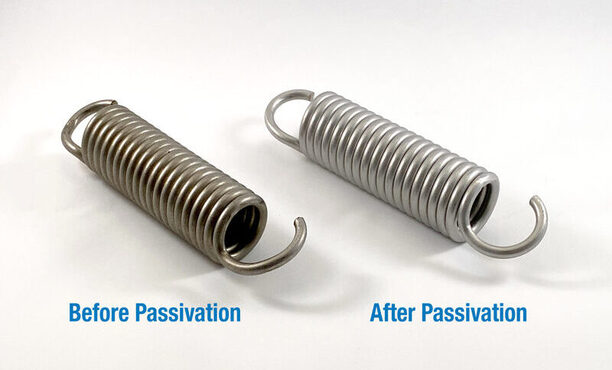
Passivation is a process based on the creation of a protective oxide layer on the metal surface. This oxide layer prevents the oxidation of the metal, preventing it from rusting and corroding. Passivation is usually done with acidic solutions. The content of these solutions varies depending on the properties of the metal used. While solutions such as nitric acid are used for steel, different chemicals may be preferred for aluminum. These acidic solutions clean the dirt, oxides and other foreign substances on the metal surface and protect the metal against external factors by creating a protective oxide layer on the surface of the metal.
The main purpose of passivation is to protect the metal from environmental influences. The thin oxide layer formed on the metal surface increases the metal's resistance to rust and corrosion. This oxide layer has a very thin and invisible structure, so it provides protection without affecting the aesthetic properties of the metal. The passivation process makes the surface of the metal smooth, prevents accumulation on the surface and ensures that the metal remains clean for a long time. The effectiveness of passivation depends on whether the process is carried out correctly and the metal surface is thoroughly cleaned beforehand. Dirt and foreign matter on the surface can negatively affect the effectiveness of passivation. Therefore, the surface of the metal must be cleaned before starting the passivation process.
Application Areas of Passivation
The industrial areas where passivation is used are quite wide. Automotive, construction, electronics, aerospace, chemical and energy sectors are areas where passivation process is widely used. In the automotive industry, metal parts of vehicles, engine components, chassis and other metal surfaces are protected by passivation process. Thanks to passivation, vehicle parts are durable for a long time and do not encounter problems such as rust, oxidation and wear due to environmental factors. This improves the performance of vehicles while also reducing maintenance and repair costs.
In the construction industry, passivation plays a critical role, especially for steel structures. Passivated steel structures are not affected by environmental factors such as water, moisture and air and become more resistant to corrosion. This allows long-lasting structures to be built. Additionally, passivation reduces construction costs because passivated metal surfaces require less maintenance. In steel bridges, buildings, pipelines and other construction projects, passivation improves the safety and durability of the metal.
In the electronics industry, passivation is used to increase the durability of circuit boards, connectors and other electronic components. Metal surfaces on electronic components are protected from external factors thanks to passivation. Corrosion, especially caused by factors such as moisture and oxygen, can cause malfunctions in electronic devices. The passivation process prevents such problems and allows the devices to work healthier for a longer time. Passivation also preserves the aesthetic appearance of the devices and ensures that metal surfaces remain clean.
In the aviation industry, the passivation process is very important as the metal parts of aircraft are exposed to high temperatures and pressure. Passivated parts become more resistant to environmental factors and increase the safety of aircraft. In addition, thanks to passivation, the maintenance costs of aircraft are reduced because problems such as oxidation and corrosion are less common on metal surfaces. Passivation extends the life of products in the aviation industry, reduces costs and increases safety.
Benefits of Passivation
One of the most important benefits of passivation is the protection of metal surfaces against corrosion. By preventing the oxidation of the metal, it increases its resistance to rust, wear and environmental effects. This provides a significant advantage, especially in humid and aggressive environments. Passivation increases the durability of the oxide layer on the metal surface, ensuring that the metal remains in use for a long time and extends its life.
Passivation also ensures that the metal surface becomes smooth. This prevents dirt, oil and other substances from accumulating on the surface. It ensures that the metal remains clean and aesthetic for a long time. Passivated metals require less maintenance because passivation prevents the accumulation of dirt on the surface and keeps the metal looking bright and clean for a long time.
Another important benefit of passivation is that the metal becomes more resistant to chemicals. Passivation minimizes the effects of chemical reactions by protecting the metal against acidic and alkaline substances. This feature is extremely important, especially in chemical production facilities, storage tanks and pipelines. Passivation ensures that metals are resistant to chemicals, reducing the risks of leakage and corrosion.
Additionally, passivation improves the mechanical properties of metals. Passivated metals become harder and more durable. This keeps the metal usable longer and reduces maintenance costs, especially in industrial applications. Passivation preserves the mechanical properties of the metal, increases the performance of the material and provides a more efficient production process.
Environmental Effects of Passivation
The passivation process can be considered an environmentally friendly process, but it must be managed correctly. Passivation extends the life of metal surfaces and enables more efficient use of natural resources. This is also a significant advantage in the recycling process, as passivated metals last longer, which helps reduce waste. Additionally, the oxide layers formed during passivation consist of environmentally friendly materials and can help reduce environmental pollution.
However, acidic solutions and other chemicals used during the passivation process can harm the environment. Therefore, environmental precautions must be taken and the waste must be handled correctly during the passivation process. Environmentally friendly chemicals can be used to minimize the environmental impact of passivation, and processes can be made more sustainable through recycling methods. Additionally, proper purification of the solutions used during the passivation process is a critical step to avoid harming the environment.
Limitations and Challenges of Passivation
Although passivation provides many benefits, it also has some limitations and challenges. First, passivation may not be suitable for all types of metal. Some metals may not form a strong enough oxide layer during the passivation process. This hinders the effectiveness of passivation and makes it difficult to protect the metal against corrosion. Additionally, the chemical reaction of some metals to the passivation process may lead to undesirable results.
Another challenge is the accurate monitoring of the passivation process. The quality of passivation depends on the correct execution of the process. Passivation process performed without cleaning the surface of the metal prevents the formation of the desired protective layer. This reduces the protection level of the metal. The passivation process must be carried out by experts and the correct solution must be used.
Passivation may require additional costs. This can be a challenge, especially in large-scale production. The passivation process may cause aesthetic problems in some cases. Passivation can cause some metals to lose their natural luster, which may have undesirable consequences on metals used for decorative purposes. Therefore, the aesthetic effects of passivation must also be considered.