


Pasivation and Metal Protection
- Blog
- Pasivation and Metal Protection
Pasivation and Metal Protection
Pasivation and Metal Protection
Metals are materials that are inherently sensitive to environmental influences. Factors such as oxygen, water, acidic and alkaline substances in the air can cause oxidation and corrosion on metal surfaces. Such negative situations reduce the durability of the metal, shorten its life and spoil its aesthetic appearance. Protecting the metal is of critical importance, especially in long-term use. Passivation, one of the metal protection methods, prevents such harmful effects by creating a protective oxide layer on the metal surface. Passivation increases the durability of the metal, ensures its longevity and helps preserve it aesthetically. In this article, the role of passivation in the metal protection process, its benefits and application methods will be discussed comprehensively.
The Importance of Metal Protection and Passivation
Metal protection aims to ensure that metals last for a long time by protecting them against various environmental factors. When metal is exposed to negative effects such as corrosion and oxidation, it is damaged both aesthetically and functionally. Corrosion causes rust layers to form on the surface of the metal as a result of oxidation. This negatively affects the durability and mechanical properties of the metal. The rust or oxide layer formed on the surface of the metal can cause the metal to rot, deteriorate and lose its functionality. Therefore, metal protection processes are of great importance, especially for metal products used outdoors. Metal protection methods provide resistance to such environmental factors and enable the metal to be used for a longer period of time.
Passivation creates a protective oxide layer on the surface of the metal, preventing the metal from oxidizing and protecting it against corrosion. The passivation process extends the life of metals, reduces maintenance requirements, preserves their aesthetic appearance and generally improves the performance of the metal. Passivation not only ensures the protection of the metal, but also ensures more efficient and economical use of the metal. For this reason, passivation has become one of the most effective and widely used parts of metal protection methods.
How Passivation Works and Its Role in the Metal Protection Process
Passivation is a chemical process applied to the metal surface and prevents the metal from oxidizing and corroding. This process helps form a protective oxide layer on the surface of the metal. Passivation is usually done using acidic or basic solutions. In the first stage, dirt, oil, oxide and other impurities on the metal surface are cleaned. This stage ensures that the metal becomes suitable for passivation. Then, passivation solution is applied to the surface of the metal and a protective oxide layer forms on the surface of the metal. This oxide layer protects the metal against corrosion and extends the life of the metal.
The main purpose of the passivation process is to ensure that the metal becomes resistant to external factors. The oxide layer formed on the surface of the metal protects the metal from environmental factors, the effects of water, acidic substances, salts and other chemicals. Passivation also improves the aesthetic appearance of the metal. Dirt and oxides on the metal surface are cleaned, giving the metal a brighter and smoother appearance. The protective oxide layer formed on the surface of the metal not only prevents corrosion, but also preserves the appearance of the metal for a long time. Therefore, passivation plays an important role in protecting the metal, both functionally and aesthetically.
The effect of passivation on metal protection is not limited to increasing the durability of the metal and providing resistance to corrosion. Passivated metals become more resistant to external factors. The protective layer formed on the surface of the metal ensures that the metal is less damaged by environmental factors. Passivation allows the metal to last a long time, reduces maintenance requirements and preserves the aesthetic appearance of the metal. Additionally, passivation increases the mechanical strength of the metal. Passivated metals last longer and do not deteriorate even in harsh environmental conditions. 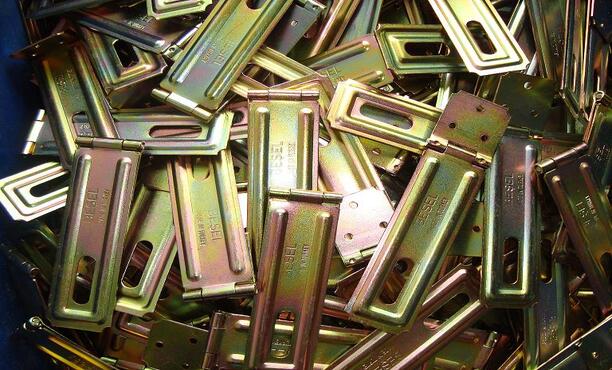
Passivation Methods and Applications
Passivation can be done by different methods. These methods vary depending on the type of metal used, intended use and environmental factors. The most common application methods of passivation can be listed as acidic passivation, basic passivation, electrochemical passivation, passivation with hot air or steam and phosphating. Each method may be better suited for a particular type of metal.
Acidic passivation is often applied to metals such as stainless steel. In this method, strong acids such as nitric acid are used to create an oxide layer on the surface of the metal that will prevent corrosion and oxidation. Acidic passivation makes the metal more resistant to corrosion. Metals such as stainless steel, while naturally resistant to corrosion, are prone to oxidation over time. Acidic passivation prevents this oxidation and ensures the metal lasts for a long time.
Basic passivation is the preferred method for aluminum and aluminum alloys. In this method, a protective oxide layer is created on the surface of the metal using alkaline solutions. Metals like aluminum are prone to oxidation in nature and the basic passivation process makes aluminum resistant to corrosion. Basic passivation preserves the aesthetic appearance of aluminum and ensures its durability for a long time.
Electrochemical passivation is the process of creating an oxide layer on the metal surface using electric current. This method is often used on metals such as stainless steel, aluminum and copper. A protective oxide layer is formed on the surface of the metal by electric current. While electrochemical passivation increases the durability of the metal, it also improves its aesthetics.
Passivation with hot air or steam is a method applied to metals such as aluminum and stainless steel. In this method, the metal is contacted with high-temperature steam or air to form an oxide layer. Vapor passivation improves the aesthetic appearance of metals such as aluminum and stainless steel and increases their durability.
Phosphating is the process of coating the metal with a protective layer by applying a phosphate-based coating to the metal surface. Phosphating makes especially steel and iron metals more resistant to corrosion. Additionally, phosphating provides suitable surface preparation for painting processes, which helps protect the metal more efficiently.
Contributions of Passivation to the Field of Metal Protection
Passivation plays a fundamental role in protecting metal against environmental factors. Passivated metals become more resistant to corrosion. The oxide layer formed on the metal surface prevents the metal from oxidizing and prevents corrosion. Passivation also improves the aesthetic appearance of the metal. Dirt, oxide and other impurities on the metal surface are cleaned and the metal is provided with a brighter and smoother appearance. While the durability of the metal increases, maintenance and repair costs also decrease. Passivation ensures that metals last for a long time, minimizing maintenance and repair costs.
Passivation has a very important place in industrial sectors. In many industries such as automotive, aerospace, construction, marine and medical devices, passivation extends the life of metal products and ensures their safe use. Protecting metal against corrosion is a critical factor for the safety and efficiency of products. Passivation is an indispensable part of the industry in this respect.
As a result, passivation offers an effective method of protecting metal surfaces. This process increases the resistance of the metal against corrosion by preventing oxidation and preserves the aesthetic appearance and mechanical durability of the metal for a long time. Passivation is one of the basic elements of the metal protection process and has an important place in industrial production and use.