

Benefits of Passivation
- Blog
- Benefits of Passivation
Benefits of Passivation
Benefits of Passivation
Passivation is a process applied specifically to protect metals against oxidation, corrosion and other negative environmental effects. This process creates a thin protective layer on metal surfaces, making them more resistant to external factors. The passivation process is widely applied to metals such as iron, steel, aluminum and stainless steel. Passivation not only extends the life of the metal, but also preserves its aesthetic appearance. In this article, we will discuss the benefits of passivation in more detail.
What is Passivation?
Passivation is a chemical process performed to protect the metal surface from interaction with the external environment. By creating a protective oxide layer on the surface of the metal, the metal is protected against corrosion, oxidation and other harmful effects. This process is used to increase the durability of the metal, extend its life and preserve its aesthetic appearance. The passivation process generally includes the stages of cleaning, chemical reaction and subsequent formation of a protective layer.
The passivation process offers a very effective solution against problems such as oxidation and corrosion in stainless steel, aluminum and other metals. Passivation allows the metal surface to be cleaned and then created a coating that will prevent oxidation reactions. This process not only strengthens the physical structure of the metal, but also increases the metal's resistance to external factors by providing protection against environmental factors.
Provides Protection Against Corrosion
One of the most obvious benefits of passivation is that it protects the metal against corrosion. Corrosion is the process of deterioration of metals by reacting with environmental factors, especially oxygen and water. Passivation prevents the metal from coming into direct contact with external factors by creating a thin oxide layer on the surface of the metal. This protective layer prevents oxygen and water from reaching the metal surface, which prevents the metal from corroding.
Passivation is especially effective on metals such as stainless steel. Although stainless steel is generally resistant to corrosion, it can sometimes corrode under environmental conditions, chemicals or high temperatures. Passivation protects the metal against such adverse conditions and prevents corrosion. Especially in the marine, automotive and construction sectors, passivated metals become long-lasting and durable.
Extends the Life of Metal
Passivation process is an important factor that extends the life of the metal. Passivating the metal surface creates a protective layer on the surface, allowing the metal to resist external factors. Passivation prevents the metal from oxidizing, rusting, or otherwise becoming damaged. This allows the metal to be used for longer periods of time.
Passivation extends the life of products such as steel structures used in the construction industry, vehicles in the automotive industry and industrial machines. Passivated metals, which require less maintenance and repair, reduce the costs of businesses. Additionally, as metals last longer, they will need to be replaced less frequently, reducing environmental impacts. Passivation extends the life of the metal, providing economic benefits in the long term.
Preserves Surface Aesthetics
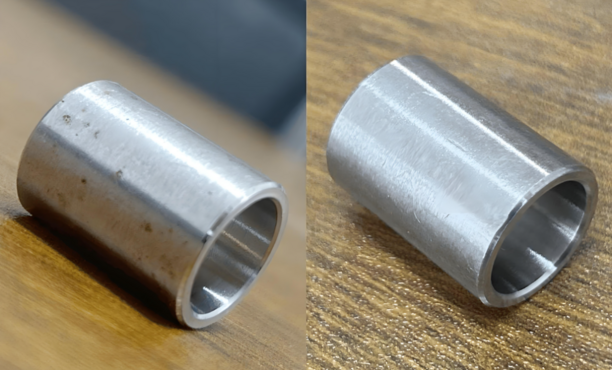
Metals oxidize and can rust over time. This negatively affects the aesthetic appearance of the metal. Passivation prevents the formation of oxidation and corrosion marks that may occur on the metal surface. Passivated metals have a brighter, cleaner and more aesthetically pleasing appearance. Passivation provides a great advantage, especially in decorative metal products, works of art and aesthetically important places.
For example, metals used in stainless steel kitchen utensils, furniture or outdoor structures remain aesthetically correct for a long time thanks to the passivation process. This increases customer satisfaction and makes products last longer.
Increases Chemical Resistance
Passivation also increases the metal's resistance to chemicals. The protective oxide layer formed on the surface of the metal prevents chemicals from penetrating the metal surface. This makes the metal more resistant to acidic and alkaline environments. Passivation helps protect metals against chemical effects, especially those used in chemical production facilities, laboratory equipment and other industrial areas.
Metals that come into contact with chemicals may corrode over time, causing products to deteriorate or lose their functionality. Passivation prevents such negative effects and ensures that metals last for a long time. This is especially important in industrial applications where there are high levels of chemical interactions.
Increases Heat Resistance
The passivation process also increases the heat resistance of the metal. In metals exposed to high temperatures, passivation provides the metal with a more stable structure. Passivated metals resist extreme temperatures and are resistant to oxidation. This feature provides a great advantage, especially in industrial environments with high temperatures and in the automotive industry.
Heat-resistant metal products provide longer-term use and reduce the frequency of maintenance and replacement. In addition, the fact that passivated metals are more resistant to heat increases the safety of the products and prevents work accidents. This increases the importance of passivation, especially in areas where high temperatures are common, such as the energy sector.
Protects from Environmental Effects
Passivation ensures the protection of metals against environmental factors. Especially weather conditions, water, salt water, acidic environments and other environmental factors can cause corrosion on metal surfaces. Passivation creates a protective layer on the surface of the metal, preventing environmental factors from coming into direct contact with the metal. This is of particular importance for the maritime sector and industries exposed to outdoor conditions.
Passivated metals become more resistant to environmental influences. This allows metals to last longer and reduces the frequency of maintenance. Additionally, metals protected against environmental factors consume fewer resources and reduce environmental impacts. This provides a great advantage in terms of sustainability.
Reduces Maintenance Costs
Passivation process reduces maintenance costs of metal products. Passivating metal surfaces prevents negative conditions such as corrosion and oxidation. In this way, the need for maintenance and repair of metals is reduced. Passivated metals last longer and require less maintenance. This reduces the maintenance costs of businesses and increases efficiency.
Thanks to passivation, the frequency of replacement of metals is reduced. This positively affects the budgets of businesses. Additionally, thanks to the protection provided by passivation, the life of metal products is extended and there is less material waste. This also contributes to reducing environmental impacts.
Benefits of Passivation
Passivation is an important process that ensures that metal surfaces are long-lasting, durable and aesthetically pleasing. It offers many benefits such as protection against corrosion, extending the life of the metal, preserving the aesthetic appearance, and increasing chemical resistance. In addition, thanks to passivation, the maintenance costs of metals decrease, resistance to environmental influences increases and energy efficiency is achieved. These benefits show that passivation plays an important role in many areas, from industrial production to daily use.